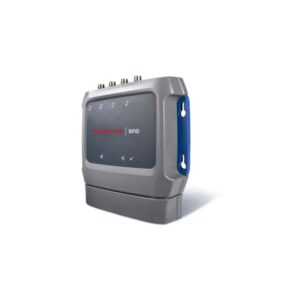
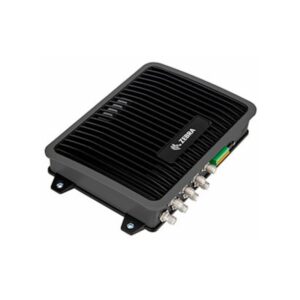
RFID vs Barcode: Architectural Difference
Barcode systems are optical and deterministic:
- Requires visibility and alignment
RFID systems are radio-based and probabilistic:
- One read cycle = multiple tags
- Performance depends on RF environment
This shift introduces new capabilities but also requires system-level design considerations, including antenna placement, interference control, and read zone definition.
Core Technical Parameters That Define RFID Performance
Read Range vs Read Zone Control
RFID is often described by “read range,” but in real deployments, read zone control is more critical.
Factors influencing read behavior:
- Antenna gain and radiation pattern
- Tag sensitivity and orientation
- Environmental reflections
Uncontrolled read zones lead to:
Anti-Collision and Multi-Tag Throughput
RFID readers use anti-collision protocols (e.g., EPC Gen2) to read multiple tags simultaneously.
Performance depends on:
- Reader processing capability
High-performance systems can read:
- Hundreds of tags per second
- Without requiring sequential scanning
Tag Orientation and Polarization
RFID performance is highly sensitive to tag orientation.
- Linear polarization → directional sensitivity
- Circular polarization → better orientation tolerance
Incorrect antenna/tag alignment reduces:
RF Interference and Environmental Impact
RF signals are affected by:
- Metal surfaces (reflection, detuning)
- Liquids (signal absorption)
- Dense environments (signal collision)
Industrial RFID systems must be designed to:
- Compensate for reflections
- Optimize antenna placement
Read Accuracy vs Read Speed Trade-off
Increasing read speed may reduce accuracy in dense environments.
System tuning involves:
- Managing session parameters
- Filtering duplicate reads
Optimized systems balance:
Integration with Enterprise Systems
RFID readers communicate via:
- Ethernet (TCP/IP, MQTT, REST APIs)
Data must be:
- Filtered (remove duplicates)
- Processed (event-based logic)
- Integrated with ERP/WMS systems
Types of Industrial RFID Systems
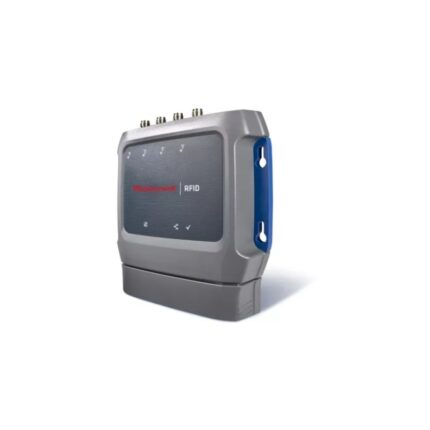
Fixed RFID Readers
Installed at specific locations for continuous monitoring.
Used in:
- Workstation identification
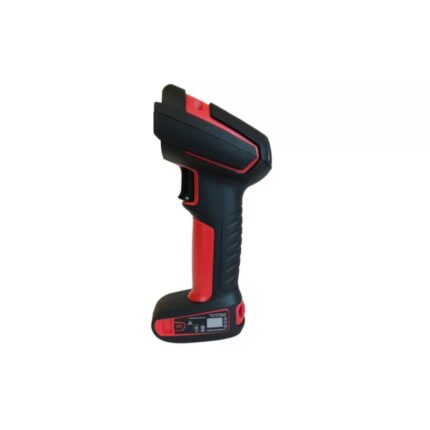
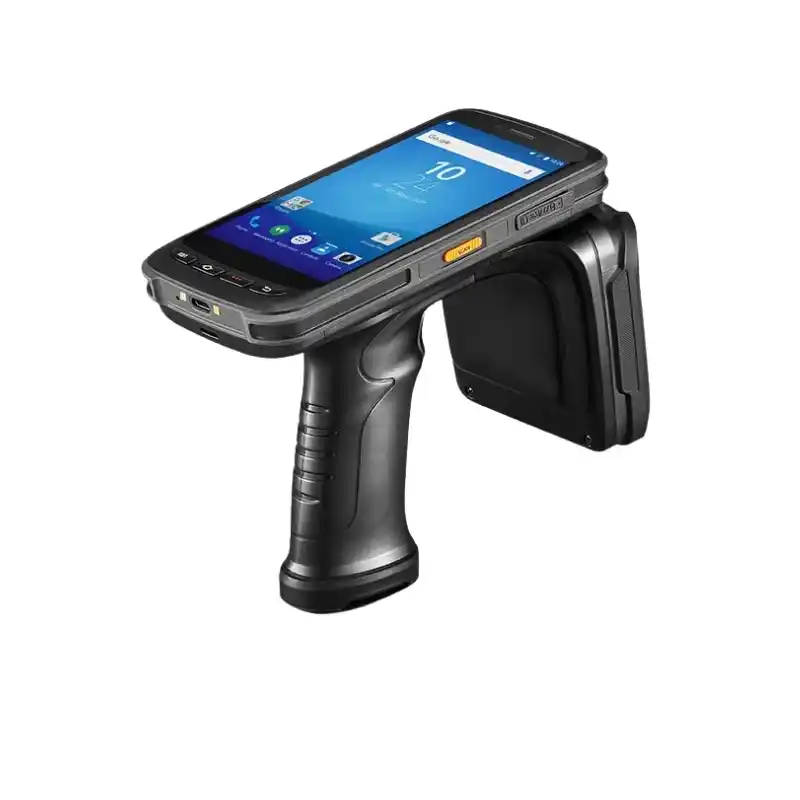
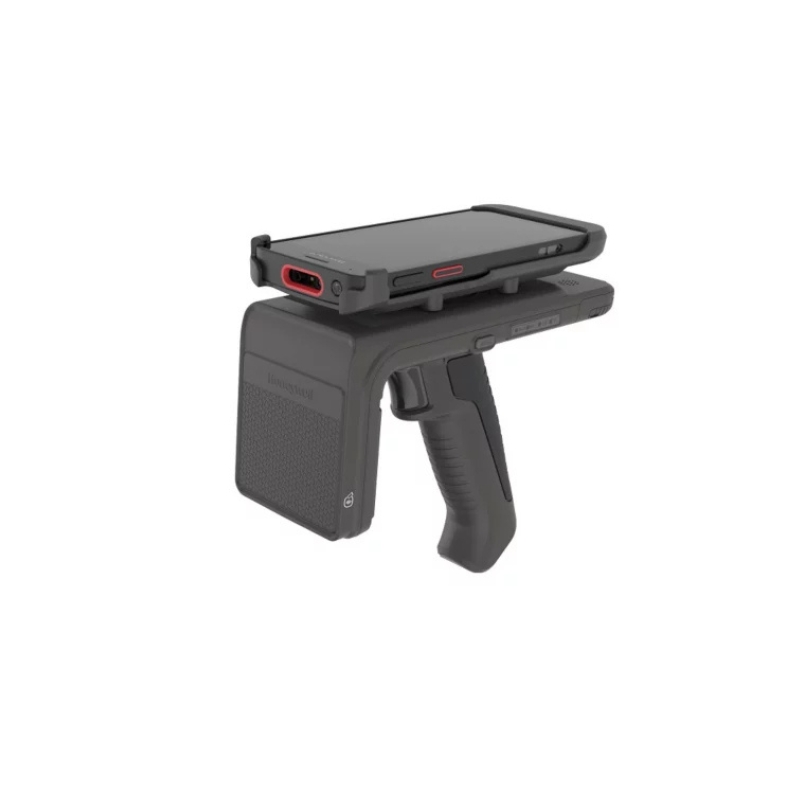
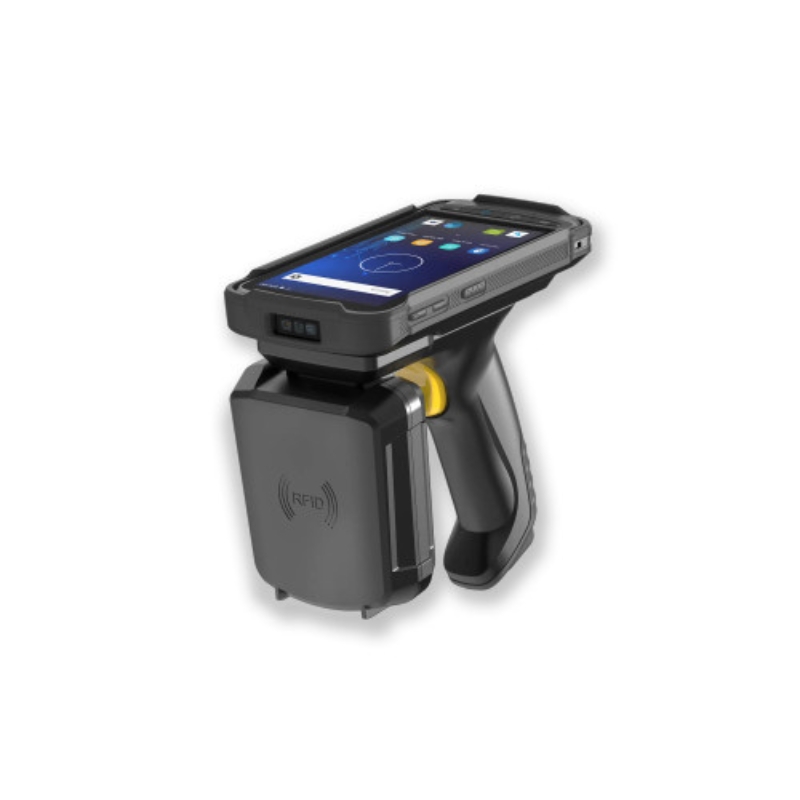
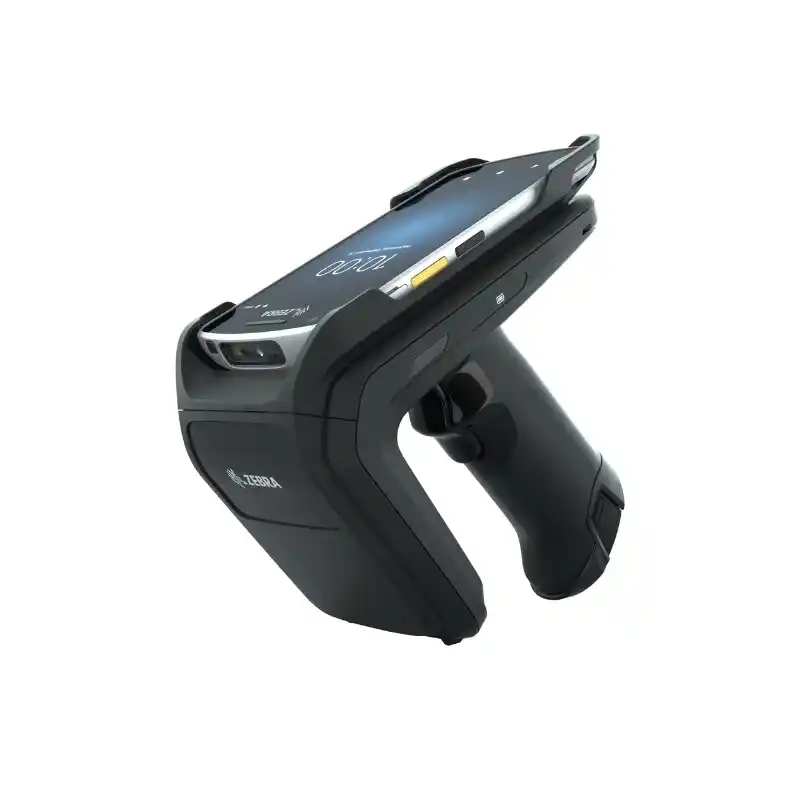
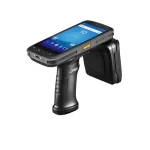
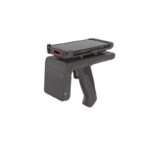
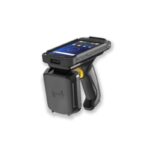
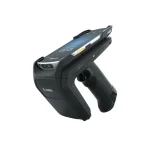
Handheld RFID Readers
Combine mobility with RFID scanning.
Used for:
RFID Gate / Portal Systems
Designed for entry/exit points.
Used in:
Long-Range UHF RFID Readers
Used for extended read distances.
Applications include:
- Large asset identification
Integrated Wireless RFID Devices
Combine RFID with Wi-Fi/Bluetooth for real-time data transfer.
System-Level Impact of RFID Deployment
High-Speed Inventory Capture
Enables bulk scanning without manual effort.
Reduction in Human Dependency
Eliminates need for line-of-sight scanning and manual alignment.
Real-Time Visibility
Continuous data capture enables live tracking of assets and inventory.
Process Automation
Triggers system actions based on tag detection (routing, validation, alerts).
Error Reduction
Minimizes missed reads and manual data entry errors.
DDAPL Approach to RFID System Design
RFID is not a plug-and-play technology — it is a system engineering problem.
DDAPL evaluates:
- Use case (tracking vs identification vs validation)
- RF environment (metal, liquid, interference)
- Required read zone definition
- Integration with backend systems
The objective is not just to read tags but to ensure:
controlled, reliable, and meaningful data capture aligned with the process
Enabling Automated Visibility Through RF-Based Identification
RFID shifts data capture from:
manual, line-of-sight scanning → automated, ambient detection
When implemented correctly, it enables:
- Reduced manual intervention
- Scalable data capture across environments
Ready to Upgrade Your Asset Tracking with RFID?
DDAPL provides:
- RFID system design and consultation
- Hardware selection (reader + antenna + tags)
Get a Custom Quote

 Frequency / Protocols
 Read Range
 Speed
Speed Ingress Protection
 Drop Specifications
 Tumble spec