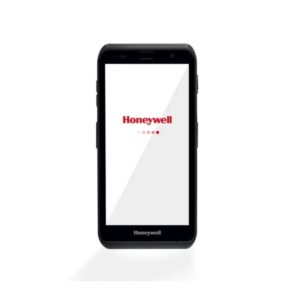
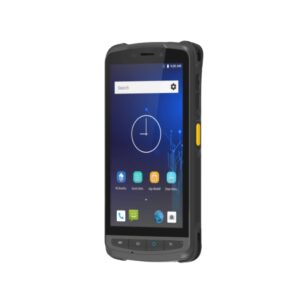
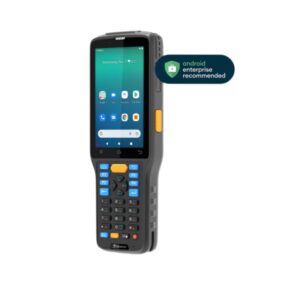
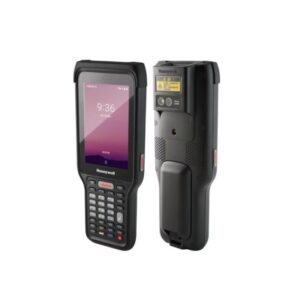
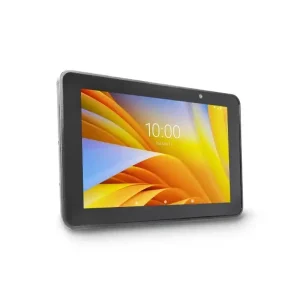
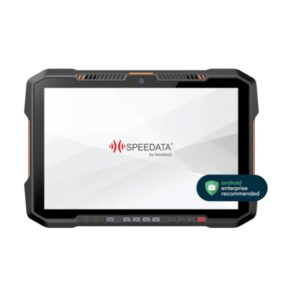
Role of Rugged Mobile Terminals in System Architecture
Rugged terminals function as edge devices within an enterprise system, interacting with:
- ERP / WMS / MES platforms
- Warehouse networks (Wi-Fi infrastructure)
- IoT and automation systems
They enable:
- Real-time inventory updates
- Task-based workflows (pick, pack, verify)
- Immediate exception handling
This eliminates delays between physical activity and system recording, improving both data accuracy and operational visibility.
Understanding Performance in Mobile Data Capture
Scan Engine Capability
The integrated scan engine determines how effectively the device reads barcodes under real conditions.
Performance depends on:
- Ability to read low-contrast or damaged codes
- Motion tolerance (reading while moving)
- Scan range (standard vs long-range devices)
In warehouse environments, where labels may be worn or poorly printed, a stronger scan engine directly improves productivity.
Connectivity Stability and Roaming
Rugged terminals rely on wireless connectivity for real-time data exchange.
Key considerations:
- Wi-Fi roaming between access points
- Signal strength across large facilities
Poor connectivity results in:
- Delayed data synchronization
Devices must support seamless roaming and stable communication protocols.
Processing Capability and Application Performance
Mobile terminals run enterprise applications such as WMS or field service software.
Performance depends on:
Slow devices impact:
Battery Performance and Power Management
Battery capacity determines operational continuity:
In high-usage environments:
- Devices must last full shifts (8–12 hours)
- Support hot-swapping or fast charging
Battery failure leads to:
- Reduced workforce efficiency
Durability and Environmental Resistance
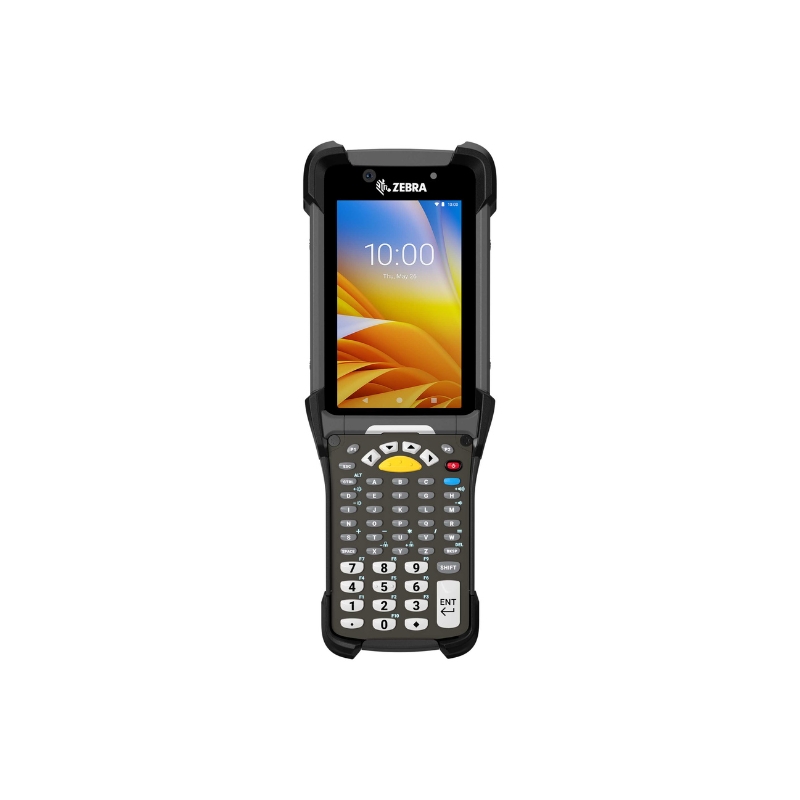
Rugged terminals are designed to withstand:
- Dust and moisture (IP-rated protection)
Durability ensures that devices remain operational even in harsh environments, reducing failure rates and replacement costs.
Looking to strengthen your operations with Rugged Mobile Terminals?
Ensure reliability and efficiency with devices engineered for extreme working conditions.
Key Features of Rugged Mobile Terminals
Industrial-Grade Construction
Designed for demanding environments with high durability and long operational life.
Integrated Barcode and RFID Data Capture
Supports 1D, 2D, and RFID-based identification for flexible data capture needs.
Wireless Connectivity
Wi-Fi, Bluetooth, and optional cellular connectivity for real-time communication.
Long Battery Life
Supports extended usage across shifts with minimal downtime.
High-Performance Touchscreens
Readable in varying lighting conditions and usable with gloves in industrial environments.
Multiple OS Options
Available with Android and Windows platforms for compatibility with enterprise applications.
Expandable Accessories
Supports cradles, vehicle mounts, holsters, and charging docks for different use cases.
Operational Impact of Rugged Mobile Terminals
Real-Time Data Synchronization
Eliminates delays between activity and system updates.
Reduction in Manual Errors
Removes dependency on paper-based or delayed data entry.
Improved Workforce Mobility
Operators can perform tasks directly at the point of activity.
Faster Process Execution
Enables quicker decision-making and task completion.
Increased System Visibility
Provides real-time tracking of operations across locations.
Industries Using Rugged Mobile Terminals
Warehousing and Logistics
For picking, packing, inventory counting, and dispatch operations.
Field Service and Delivery
For on-site data capture, job updates, and proof of delivery.
Manufacturing
For material movement tracking, WIP updates, and quality checks.
Retail
For inventory management, stock verification, and assisted selling.
Healthcare and Pharma
For asset tracking, inventory control, and compliance workflows.
Transportation and Distribution
For cargo tracking, route management, and operational visibility.
Types of Rugged Mobile Terminals
Android-Based Rugged Terminals
Modern devices with flexible app ecosystems and enterprise mobility support.
Windows-Based Rugged Devices
Used in legacy or specialized enterprise environments.
RFID-Enabled Terminals
Designed for bulk data capture without line-of-sight scanning.
Long-Range Rugged Devices
Capable of scanning barcodes from extended distances in warehouse environments.
Wireless Data Terminals
Optimized for real-time communication in distributed operations.
DDAPL Approach to Mobile Data Capture Solutions
Rugged mobile terminals are not standalone devices — they are part of a larger operational workflow.
DDAPL evaluates:
- Application requirements (WMS, field apps, etc.)
- Connectivity infrastructure
- Scan environment and barcode quality
- Battery and usage patterns
- Integration with backend systems
Based on this, devices are selected and configured to ensure consistent performance within real operating conditions.
Enabling Real-Time Operations Through Reliable Mobility
In dynamic environments, delays in data capture lead to:
Rugged mobile terminals ensure that data capture is:
- Integrated with system workflows
Ready to Improve Your Mobile Operations?
DDAPL provides:
- Application-based device selection
- Pan-India supply and service
Request a Quote | Talk to an Expert


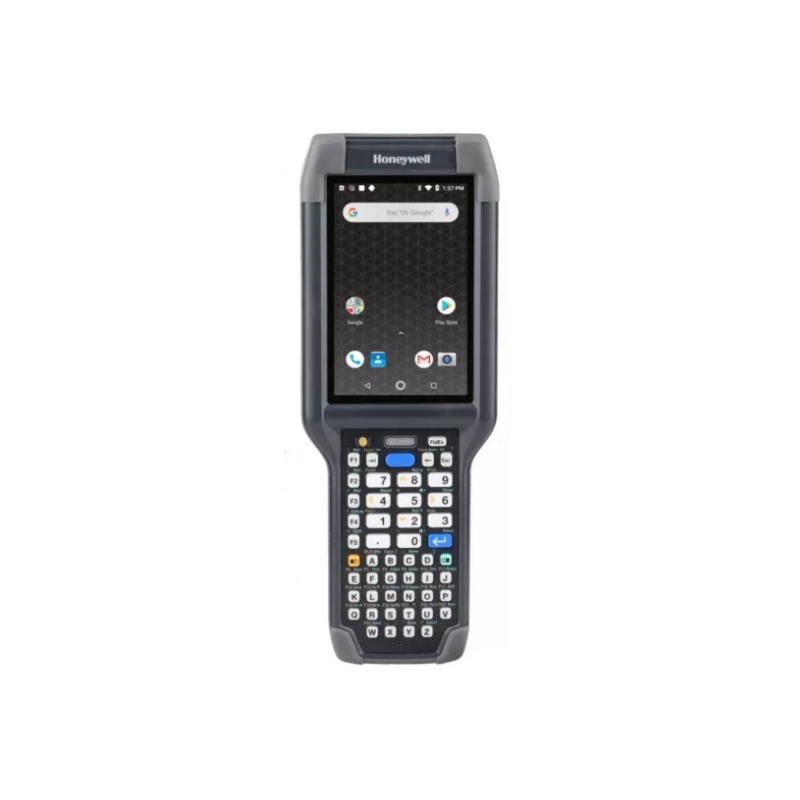
 Keypad
 Scan Range
 Speed
Speed Battery
 Ruggedness
 Displays