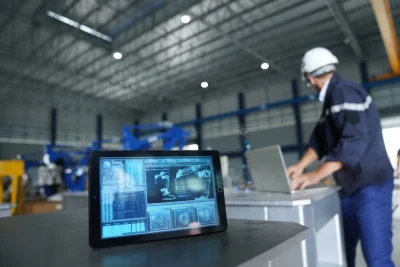
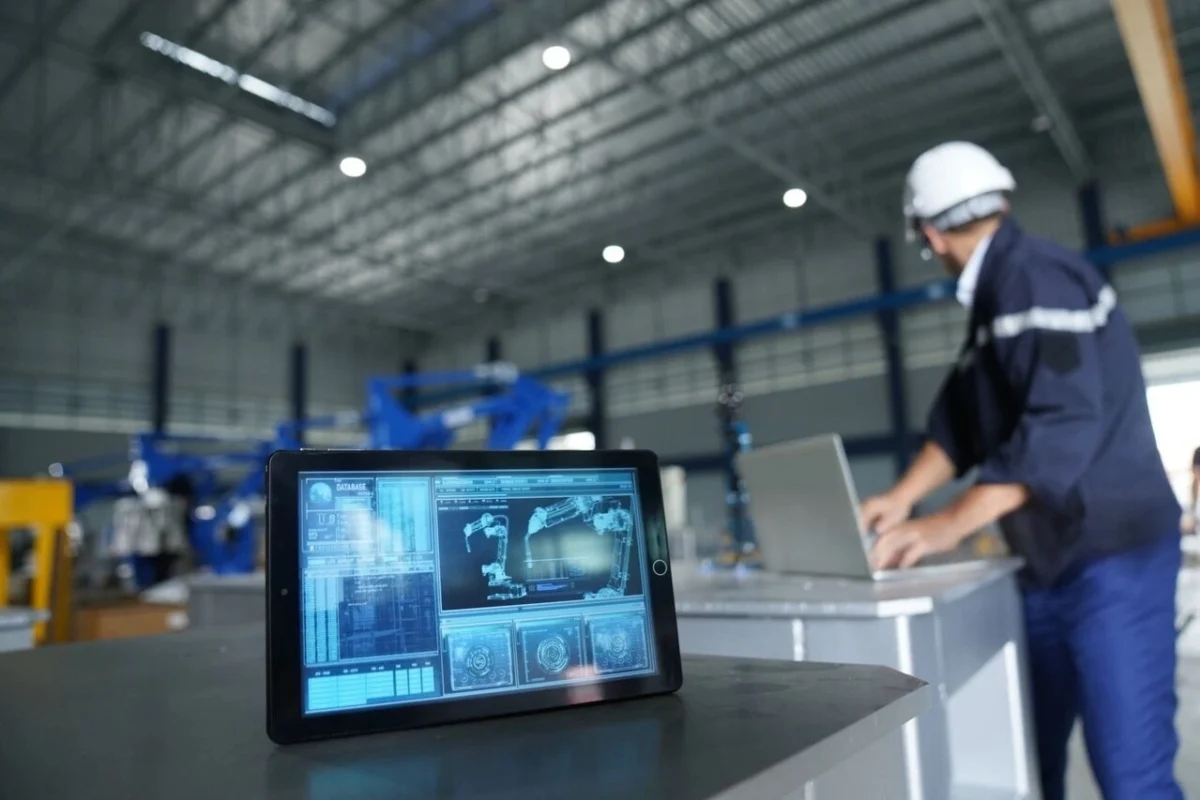
Manufacturing machines generate valuable data during every production cycle. Machine speed, output, downtime, temperature, vibration, and cycle time show how well equipment performs. However, when teams collect this information manually, it can be difficult to get a clear view of machine performance.
This is where industrial IoT solutions can help. They connect machines, sensors, controllers, and software to collect and monitor operational data. With access to timely machine information, production and maintenance teams can identify performance changes, track downtime, and make better operational decisions.
Why is machine performance monitoring important?
A machine may run but not perform as expected, operating slower, taking longer, or stopping briefly. These small losses can accumulate, impacting production targets.
Machine performance monitoring helps teams understand what is happening on the shop floor.
It can track:
- Machine running and idle time
- Production output
- Cycle time
- Downtime
- Machine utilisation
- Temperature and vibration
- Equipment alarms
- Performance trends
Instead of relying only on manual records, teams can use real-time information to identify production gaps and investigate recurring issues.
How do industrial IoT solutions monitor machines?
Industrial IoT solutions connect equipment with software that collects and processes machine data. Information can come from sensors, PLCs, controllers, and connected machines.
The process generally follows four steps:
| Stage | Purpose |
| Data Collection | Captures information from machines and sensors |
| Data Connectivity | Transfers machine data through industrial networks |
| Data Processing | Organises and analyses the collected data |
| Monitoring | Displays useful insights for production and maintenance teams |
This approach can reduce manual data collection and give managers a more current view of plant operations.
What machine parameters can be tracked?
The parameters depend on the equipment type and manufacturing process. Manufacturers should focus on data that supports operational decisions.
- Machine Status
Teams can monitor whether a machine is running, idle, stopped, or showing an alarm.
- Production Output
Teams can compare actual output with planned production targets. This helps teams identify gaps during a shift.
- Cycle Time
Changes in cycle time can indicate slower production or process issues. Tracking this data over time can reveal recurring patterns.
- Downtime
Recording the duration and frequency of stoppages helps teams understand where production time is being lost.
- Equipment Condition
Temperature, vibration, pressure, and other readings can provide useful information about machine condition.
Can industrial IoT help detect issues earlier?
Yes. A major advantage of industrial IoT solutions is that they make changes in machine behaviour easier to identify.
For example, if a machine normally operates within a specific temperature range and its readings begin to rise, teams can investigate the change. Similar patterns can appear in vibration, cycle time, speed, or other readings.
An unusual reading does not always mean that equipment will fail. However, it gives maintenance teams a chance to investigate before it becomes a larger production issue.
Historical data can also help teams identify repeated problems and improve maintenance planning.
How does industrial automation software support machine monitoring?
Machine monitoring becomes more useful when it connects with the wider automation environment. Industrial automation software can collect, process, display, and manage information from different parts of a manufacturing operation.
A suitable industrial automation software system can support:
- Automated machine data collection
- Production monitoring
- Machine status tracking
- Downtime monitoring
- Real-time alerts
- Performance dashboards
- Process monitoring
- Data integration
This reduces dependence on manual reporting and helps information move more efficiently between the shop floor and management teams.
What role does manufacturing automation software play?
Manufacturing automation software can connect machine-level information with broader production processes. This allows manufacturers to use machine data beyond basic monitoring.
For example, production teams can review output and downtime, while maintenance teams can study equipment trends. Operations managers can also compare performance across machines or production lines.
When manufacturing automation software integrates with other operational systems, information can move between applications instead of staying isolated on individual machines.
This creates better visibility across production and supports faster decisions.
How does industry 4.0 software improve manufacturing?
Industry 4.0 focuses on connected equipment, automation, data exchange, and smarter decision-making. Machine monitoring is an important part of this approach.
Industry 4.0 software helps manufacturers connect machines and operational systems to create a more integrated production environment.
A connected setup can follow this flow:
Machines → Sensors → Connectivity → Software → Data Analysis → Business Decisions
This can support:
- Predictive maintenance
- Production analytics
- Equipment monitoring
- Process improvement
- Digital dashboards
- Automated reporting
- Real-time alerts
- Production traceability
With Industry 4.0 software, manufacturers can make better use of machine data and move towards more connected production processes.
What are the main benefits for manufacturing?
Connected machine monitoring can support several areas of plant operations.
- Reduced Unplanned Downtime: Early visibility into equipment conditions can help teams investigate problems sooner.
- Better Machine Utilisation: Performance data can show whether equipment is being fully utilised or spending too much time idle.
- Improved Production Visibility: Real-time information gives managers a clearer view of production activity.
- Better Maintenance Planning: Equipment trends can help maintenance teams prioritise inspections and corrective action.
- Faster Decisions: Current machine information allows operations teams to respond to production issues more quickly.
- Continuous Improvement: Historical data can reveal repeated downtime, slower cycles, and other performance losses.
What should manufacturers consider before implementation?
Every manufacturing plant has different machines, processes, and operational requirements. Therefore, select technology based on actual business needs.
Before implementing industrial automation software, manufacturers should consider:
- Existing machines and connectivity options
- PLCs and sensors
- Industrial communication protocols
- Number of machines and production lines
- Data points that need monitoring
- Existing ERP or MES systems
- Dashboard and reporting requirements
- Alert requirements
- Future expansion plans
The objective should not be to collect every possible data point. Manufacturers should focus on information that can improve production, maintenance, and operational decisions.
Building a more connected manufacturing environment
Machine performance monitoring can give manufacturers better control over equipment and production activity. Industrial IoT solutions provide the connectivity needed to collect and use machine data, while manufacturing automation software connects this information to broader production processes.
As manufacturing operations move towards Industry 4.0, Industry 4.0 software can support connected equipment, data-driven decisions, and smarter workflows. With suitable industrial automation software, these technologies can help businesses improve visibility and respond to operational issues more effectively.
At DD Automation, we help businesses build automation solutions that connect machines, processes, and operational data. We focus on practical solutions that improve visibility, control, and efficiency across manufacturing operations.
Contact Digital Data Automation Pvt Ltd to enhance machine monitoring and develop a connected manufacturing environment.