Modern industrial operations rely on stable communication among machines, controllers, sensors, and systems. A network failure can disrupt production, monitoring, data exchange, and operations. Choosing the right Ethernet switch is crucial for a reliable industrial network.
This choice typically comes down to two options: managed and unmanaged industrial Ethernet switches. Both let devices connect via Ethernet networks; however, control, monitoring, configuration, and scalability vary greatly between the two.
Understanding these differences helps teams select the right solution for their needs.
What is an industrial ethernet switch?
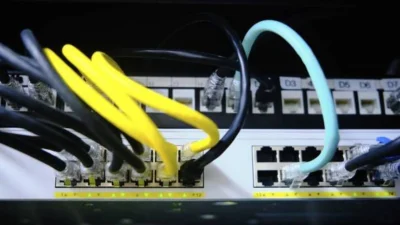
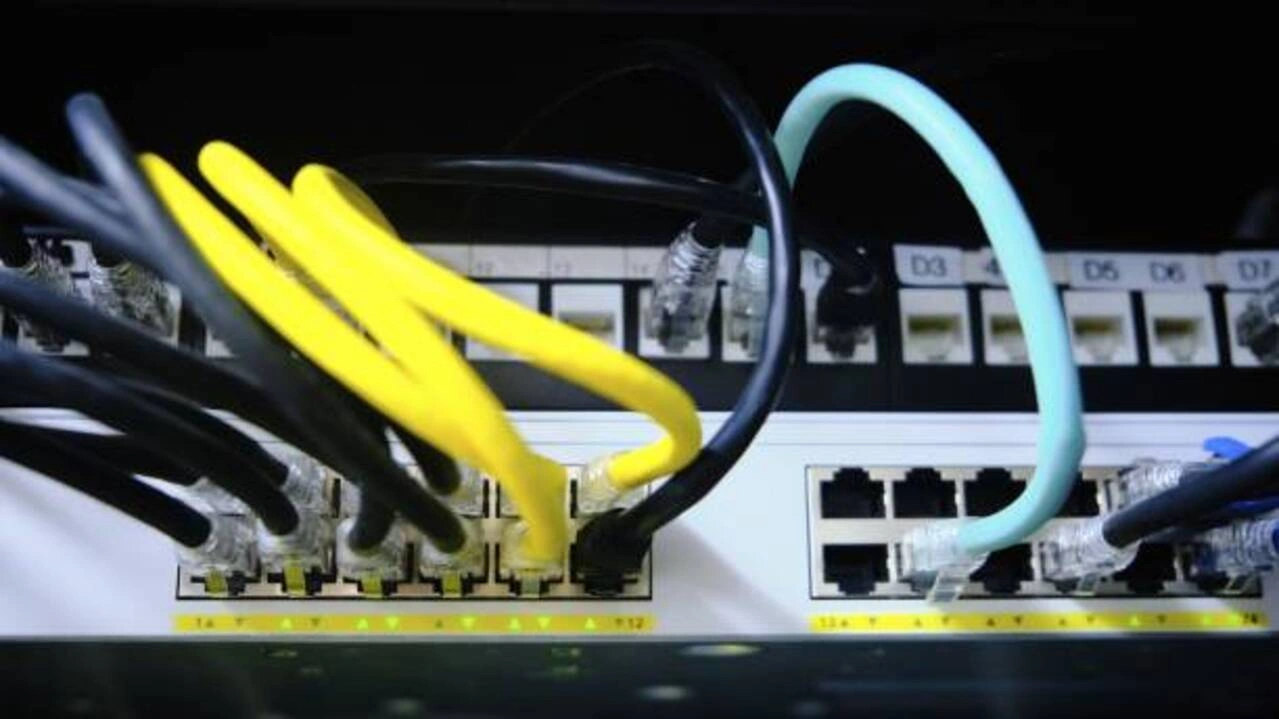
An industrial Ethernet switch links devices in a network, enabling data exchange. Unlike many standard office switches, industrial Ethernet switches are designed for demanding environments with electrical noise, temperature variations, vibration, and continuous operation.
They commonly connect PLCs, HMIs, sensors, industrial computers, drives, cameras, and other automation devices. Reliable switching is especially important where machines and control systems need to exchange time-sensitive data.
In these environments, industrial networking solutions must provide stable connectivity while meeting the operational requirements of the plant or facility.
What is an unmanaged industrial ethernet switch?
An unmanaged switch provides simple network connectivity. It generally works without requiring manual configuration, making it easier to install in smaller or less complex networks.
Once connected and powered, an unmanaged switch forwards Ethernet frames automatically without requiring manual configuration. Unmanaged switches are suitable when advanced monitoring, traffic control, or segmentation isn’t needed.
Where can unmanaged switches be used?
An unmanaged switch can be suitable for applications such as:
- Small machine networks where only a few devices need to communicate.
- Simple automation cells with limited network complexity.
- Non-critical systems where detailed network diagnostics are not essential.
- Applications where quick installation and straightforward operation are priorities.
For a small network with predictable traffic, an unmanaged switch can provide the required connectivity without unnecessary configuration.
What is a managed industrial ethernet switch?
A managed industrial Ethernet switch provides greater control over network operation. Network administrators can configure, monitor, and manage different aspects of the switch according to application requirements.
Managed switches can support features such as VLANs, traffic monitoring, diagnostics, access controls, and industrial redundancy protocols, depending on the model. These capabilities become more valuable as the number of connected devices increases and network availability becomes more important.
A managed switch is therefore often considered for larger or more critical industrial environments where network visibility and control are important.
How does a managed switch improve network control?
Managed switches provide several capabilities that can help teams maintain a more organised and resilient network.
- Network Segmentation
VLANs separate network traffic, such as production devices, surveillance, and administrative traffic, enhancing network organization.
- Traffic Prioritisation
Some industrial applications need prioritized data, and Traffic management and Quality of Service mechanisms can prioritise important traffic and help ensure that time-sensitive data receives appropriate network treatment
- Network Monitoring
Managed switches can provide diagnostic information that helps identify connection issues, abnormal traffic patterns, errors, or potential bottlenecks, making troubleshooting more efficient than relying solely on physical connectivity.
- Redundancy
Industrial networks may need alternative communication paths if a component fails. Managed industrial switches may support redundancy mechanisms such as ring or path redundancy protocols, depending on the switch and network architecture.
- Remote Management
Network teams can configure and monitor managed switches remotely, which is especially useful when equipment is distributed across a large plant or multiple facilities.
Managed vs. Unmanaged industrial ethernet switches: what is the difference?
The main difference is the level of control; unmanaged switches focus on simple connectivity, whereas managed switches offer configuration and monitoring.
| Factor | Unmanaged Switch | Managed Switch |
| Configuration | Minimal or none | Detailed configuration available |
| Monitoring | Limited | Advanced monitoring and diagnostics |
| Traffic Control | Basic | Greater control and prioritisation |
| Network Segmentation | Generally unavailable | VLAN support may be available |
| Redundancy | Limited | Supports industrial redundancy features |
| Troubleshooting | More basic | More detailed network visibility |
| Suitable For | Simple networks | Complex or critical networks |
| Scalability | Better for smaller setups | Better for growing networks |
The right choice depends on network size, application criticality, required control, and future expansion.
When is an unmanaged switch the better choice?
An unmanaged switch can be a practical option when the network is small, straightforward, and does not require advanced administration. It may also be appropriate when the connected devices have predictable communication requirements, and network downtime has limited operational impact.
Before selecting an unmanaged switch, teams should still consider environmental conditions, port requirements, data speeds, and power arrangements. The switch’s simplicity should not mean overlooking the overall network design.
When should you consider a managed switch?
A managed switch becomes more suitable when the network supports several machines, multiple communication groups, or operationally important applications. It can also be valuable when teams need better visibility into network performance and want greater control over traffic.
Managed switches are particularly relevant when future expansion is expected. Selecting equipment based only on current requirements can result in costly upgrades when additional machines, sensors, systems, or facilities are connected later.
For larger plants, well-designed industrial Ethernet solutions can help create a more structured network that supports both current operations and future connectivity requirements.
What should procurement teams check?
Selecting a switch involves more than comparing prices and port numbers. Procurement teams should evaluate it based on the operating environment, network architecture, and application needs.
- Port Count
Determine how many devices need to connect today and how many additional ports you may need in the future. Keeping some spare capacity can make network expansion easier.
- Network Speed
Check whether the application requires standard Fast Ethernet, Gigabit Ethernet, or higher-speed connectivity. The required speed should match the devices, uplinks, and expected traffic.
- Copper Or Fibre
Copper connections suit many machine-level applications, while fibre is advantageous for longer distances and electrically noisy or interference-prone environments. The facility’s layout should influence this choice.
- Environmental Conditions
Check the operating temperature, vibration, humidity, dust, and electrical conditions of the installation area. Select industrial equipment based on the actual environment in which it will operate.
- Power And Redundancy
Critical applications may require redundant power inputs or network redundancy. Identify these requirements during the design stage rather than after installation.
How do industrial and enterprise networks work together?
Industrial networks do not always operate in isolation. Manufacturing plants and other facilities increasingly need to connect operational systems with enterprise applications, cloud platforms, business systems, and central monitoring environments.
This creates a need for consistent network architecture across different environments. Enterprise networking solutions support business connectivity, while industrial Ethernet provides communication at the machine and operational levels.
A well-planned architecture can integrate industrial and enterprise networks while maintaining appropriate segmentation, security controls, and access boundaries.
How should you choose the right switch?
Choosing between managed or unmanaged switches depends on the application’s complexity, uptime, monitoring, network size, and growth.
| Requirement | Recommended Direction |
| Small and simple network | Unmanaged |
| Basic machine connectivity | Unmanaged |
| Need for VLANs | Managed |
| Network diagnostics required | Managed |
| Redundant network paths | Managed |
| Complex or expanding network | Managed |
| Critical operational communication | Usually man |
The switch should also fit into the wider network infrastructure solutions planned for the facility. This helps ensure that individual networking components operate as part of a structured network architecture rather than as isolated devices.
Making the right switch choice for your industrial network
Managed and unmanaged industrial Ethernet switches serve different purposes. Unmanaged switches offer simple, cost-effective connectivity for smaller applications, while managed switches provide greater control for complex, critical networks.
At DD Automation, we help organisations evaluate their connectivity requirements and build practical networking architectures around their operational needs. Our approach covers industrial networking solutions, industrial Ethernet solutions, and broader enterprise networking solutions to support connected industrial and business environments.
If your organisation is planning a new network or upgrading an existing one, speak with our team to identify the right switching and connectivity approach for your application.