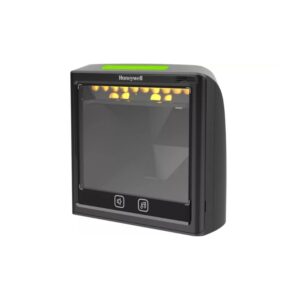
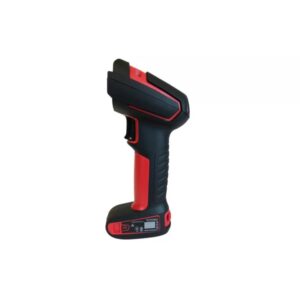
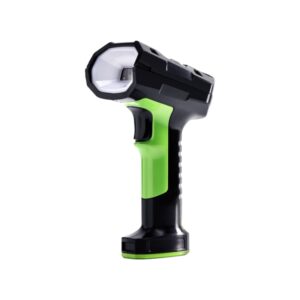
Where Fixed Mount Scanners Fit in Automation Architecture
Fixed mount scanners operate as part of a larger automation ecosystem, interacting with:
- Sensors (photoelectric / proximity) for trigger signals
- PLCs or industrial controllers for logic execution
- Conveyor systems for material movement
- Vision or inspection systems for validation workflows
- ERP/WMS/MES platforms for data capture and traceability
In this setup, the scanner is not just reading a barcode—it is enabling the following:
Any delay or misread at this level directly affects the entire system flow.
Want uninterrupted performance with Fixed Mount Barcode Scanners?
Optimize industrial workflows with fast, accurate, and fully automated scanning solutions.
Understanding Performance in Fixed Mount Scanning
Read Rate Under Motion Conditions
Unlike handheld scanning, fixed mount systems must decode barcodes while the object is moving.
Performance depends on:
- Motion tolerance of the scanner
A mismatch results in missed reads or duplicate scans.
Decode Capability in Real Conditions
In automated environments, barcode quality varies significantly due to:
- High-speed printing inconsistencies
- Surface curvature or reflection
- Label damage during handling
Advanced fixed scanners use high-resolution imaging and algorithm-based decoding to reconstruct incomplete or low-contrast codes.
Field of View and Depth of Field
The scanner must be configured to cover the entire barcode area within the conveyor width.
- Field of View (FOV) determines coverage width
- Depth of Field (DOF) determines reading range
Incorrect configuration leads to:
- Need for re-scanning zones
Lighting and Environmental Control
Industrial scanners integrate:
- Built-in illumination systems
- External lighting compatibility
This ensures consistent performance across:
- Variable ambient conditions
Communication and Latency
Fixed mount scanners must transmit data in real time to control systems.
Typical interfaces include the following:
- Ethernet (TCP/IP, PROFINET, EtherNet/IP)
- RS232 / Serial communication
- Digital I/O for trigger and feedback
Low communication latency is critical to ensure synchronization with conveyor logic and sorting decisions.
Types of Fixed Mount Barcode Scanners
1D Fixed Mount Scanners
Used for high-speed reading of linear barcodes in environments with consistent label quality.
2D Fixed Mount Scanners
Capable of decoding both 1D and 2D symbologies, including QR and Data Matrix.
Required for traceability, compliance, and serialization applications.
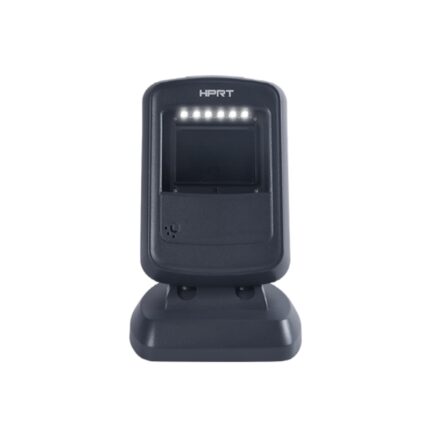
Area Imaging Fixed Scanners
Capture a full image of the scanning zone, allowing:
- Orientation-independent scanning
- Higher tolerance for positioning errors
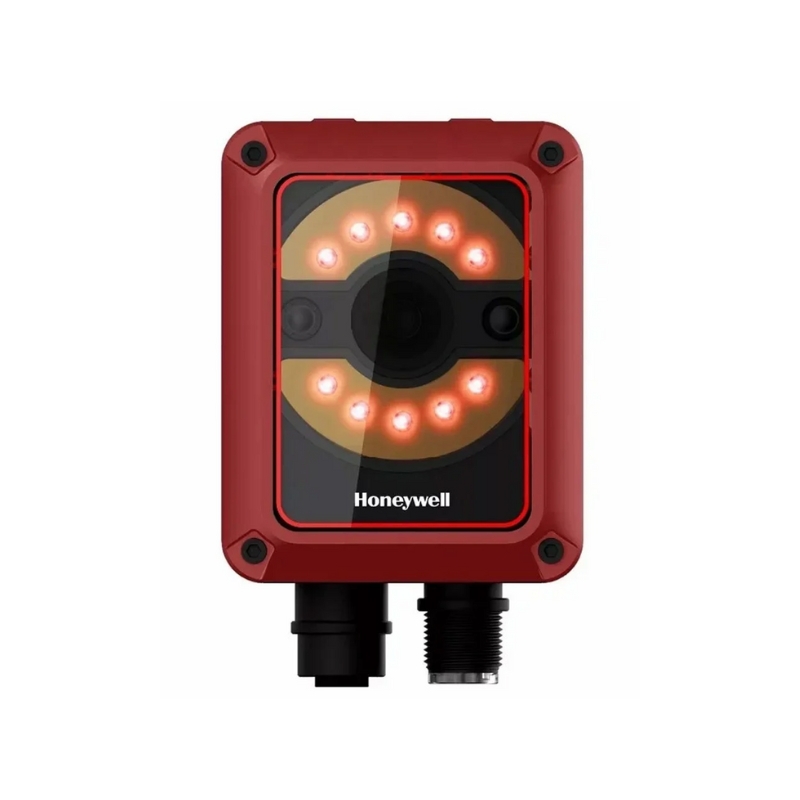
Long-Range Fixed Barcode Systems
Designed for applications where the scanner cannot be placed close to the object.
Used in large conveyor systems and industrial setups.
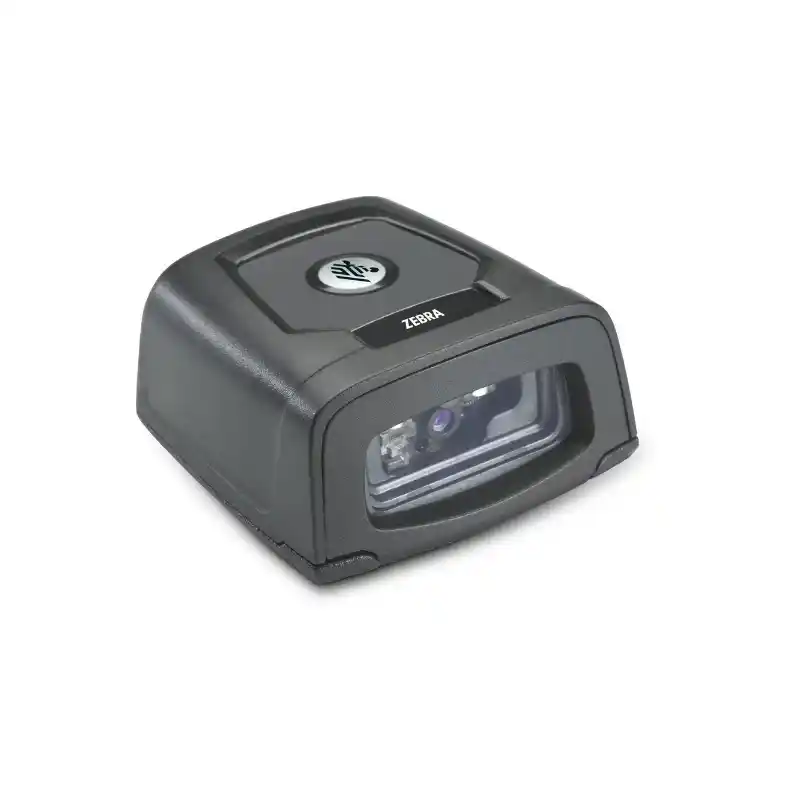
High-Speed Conveyor Scanners
Engineered specifically for high-throughput environments, where objects move continuously and scanning must occur within milliseconds.
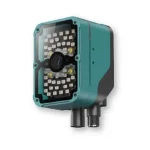
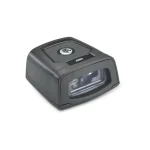
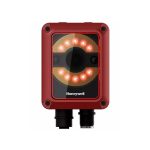
Key Features of DDAPL Fixed Mount Scanners
Ultra-Fast Decode Performance
Designed to operate within high-speed conveyor environments with minimal latency.
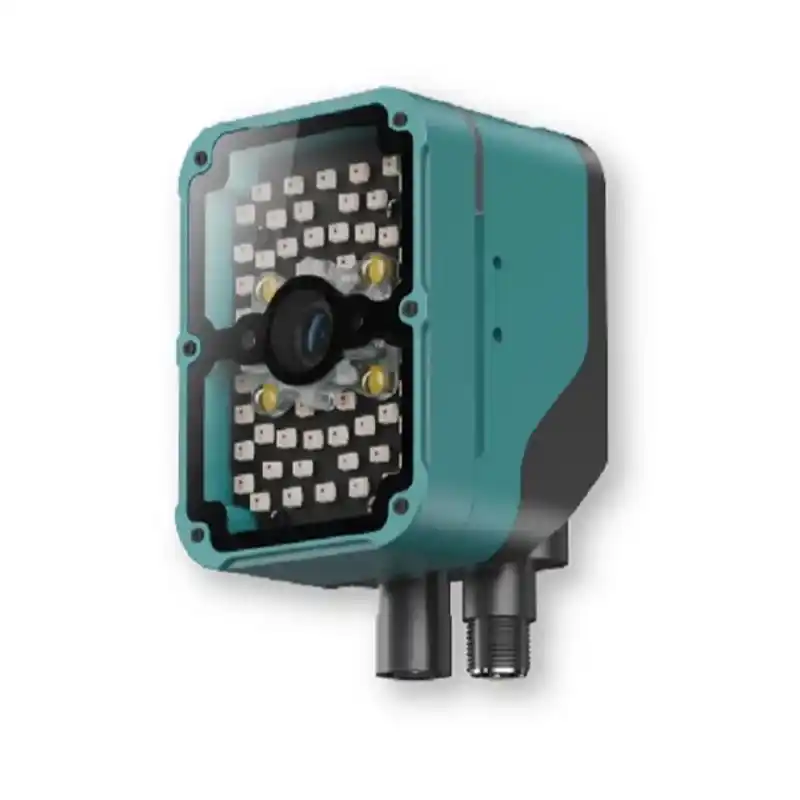
Industrial-Grade Construction
IP-rated devices suitable for dust, vibration, and industrial conditions.
Adjustable Mounting and Alignment
Supports precise positioning to match conveyor geometry and barcode placement.
High Tolerance to Barcode Variability
Capable of decoding damaged, low-contrast, or poorly printed barcodes.
Multi-Protocol Communication
Supports Ethernet, RS232, and industrial communication protocols for seamless system integration.
Automation System Compatibility
Designed to integrate with PLCs, MES, WMS, and custom automation software.
Applications Across Industries
Manufacturing and Assembly Lines
Used for product identification, WIP tracking, and process validation.
Food and Beverage Packaging
Ensures barcode verification during high-speed packaging operations.
Logistics and Sorting Facilities
Supports automated routing and sorting decisions based on barcode data.
Pharma and Medical Manufacturing
Enables serialization, batch tracking, and regulatory compliance.
Warehouse Automation
Used in conveyor-based movement and automated dispatch systems.
Railways and Shipping
Supports identification and tracking in large-scale logistics operations.
DDAPL Approach to Fixed Mount Scanning Solutions
Fixed mount scanning is not a device-level decision — it is a system-level integration problem.
DDAPL evaluates:
- Conveyor speed and layout
- Barcode position and orientation
- Required read rate and redundancy
- Integration with control systems
Based on this, the scanner is selected and positioned to ensure consistent read performance within the actual operating environment.
Enabling Reliable Automation Through Accurate Data Capture
In automated systems, barcode scanning is often the first point of data capture.
If this step fails:
- Routing decisions are affected
- Traceability gaps are created
Fixed mount barcode scanners ensure that data capture remains:
- Synchronized with system logic
Get the Right Fixed Mount Scanning Solution
Selecting the correct fixed mount scanner requires alignment with both mechanical setup and system logic.
DDAPL provides:
- Application-based scanner selection
- Support for automation environments
Get Quote | Request Demo | Call Now

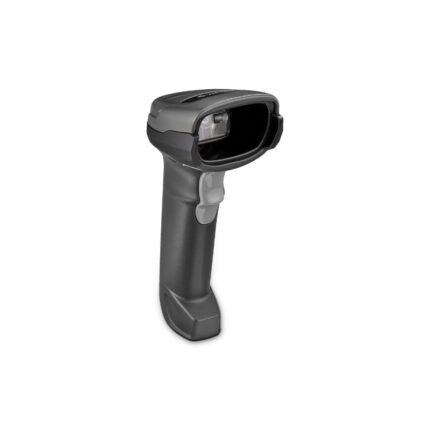
 Symbologies
 Resolution
 Depth of Field
 Interfaces
 IP Rating
 Operating Ambient Light Tolerance