Supply chains today move at an unforgiving pace. Even the smallest delay, a misplaced pallet, or a missed scan can snowball into lost hours, unhappy customers, and costly fire-fighting. Manual tracking often leads to missing stock, slow updates, and avoidable mistakes. That’s why many companies are turning to RFID tracking systems — a technology that connects physical items with real-time digital data, improving accuracy and speeding up operations across the supply chain.
What Is an RFID Tracking System and How Does It Work?
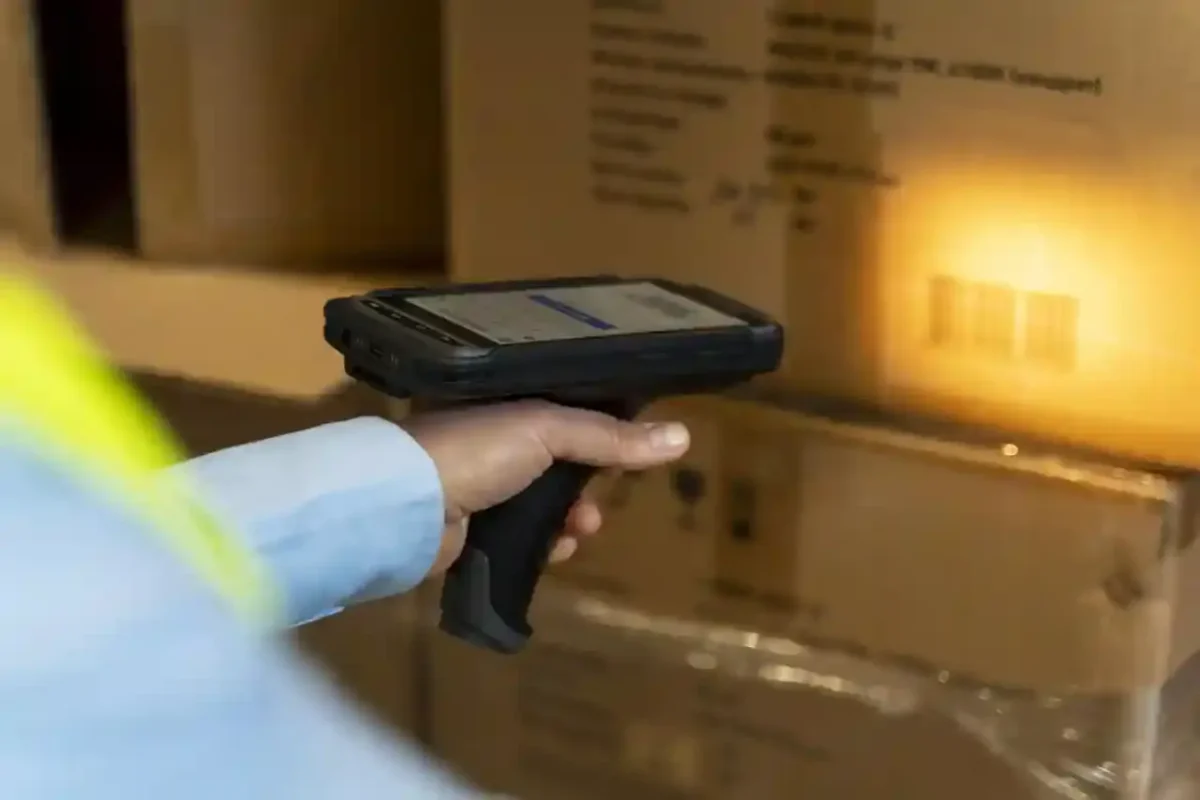
An RFID (Radio Frequency Identification) system consists of tiny tags, readers, and a backend platform that processes the captured data. Each RFID tag is affixed to an asset or item and carries a unique identifier. Readers placed at strategic points scan these tags, even without direct line of sight. The data collected is sent to connected software, giving businesses instant insights into where their goods are, how they are moving, and what their status is — without relying solely on manual scans or manual data entry.
Key Challenges in Supply Chain Visibility
Most supply chain issues don’t appear suddenly — they pile up quietly over time. Teams usually face challenges like:
- Stock inaccuracies caused by manual counting
- Slow or error-prone record-keeping
- Poor auditability and traceability for critical assets
- Fragmented data across disparate systems
These issues create uncertainty, slow down decisions, and raise operational costs — especially when items are lost, delayed, or misused.
How RFID Tracking Systems Boost Efficiency Across the Supply Chain
1. Real-Time Inventory Visibility
With RFID tracking systems, inventory updates actively as items move in and out of warehouse zones. This means teams always see exactly what inventory is available, reducing stock-outs and overstock situations. The continuous visibility helps procurement, operations, and warehouse management stay aligned and agile.
2. Minimizing Human Error
Manual scanning, data entry mistakes, or wrong item picks are significantly reduced. RFID readers capture information quickly and accurately, while software validates each scan against digital records. This lowers the chances of mis-picks, wrong shipments, or incorrect inventory records — translating into lower rework and fewer customer complaints.
3. Faster Asset Movement
RFID doesn’t slow you down with one-by-one scanning. Entire racks, pallets, or batches can be read in seconds — even when items aren’t perfectly aligned. Receiving becomes faster, picking becomes cleaner, and dispatch becomes smoother.
4. Enhanced Traceability and Lifecycle Management
RFID tracking systems offer end-to-end traceability — from when an asset or component enters the supply chain to when it leaves. Brands can track how long something has been in use, when it was last serviced, or if usage limits have been reached. This lifecycle data supports informed decisions, better maintenance planning, and ultimately, more efficient utilization.
5. Improving Resource Utilization
Beyond goods, RFID tags help track high-value or reusable assets such as molds, pallets, containers, or tooling. Knowing where these move, when they are idle, or if they are nearing maintenance needs helps operations make better decisions, reduce idle time, and optimize capital usage.
Real-World Use Case: DD Automation’s Mold Traceability System
One of the best examples of how RFID can transform operations comes directly from our work at DD Automation. We recently implemented an RFID + Barcode-enabled Mold Traceability System for a leading industrial manufacturer that manages a large volume of molds every day. The client struggled with tracking mold movement between the warehouse and production floor, issuing molds accurately, and monitoring their lifecycle.
To address these challenges, we designed and deployed a complete traceability solution that combined QR-encoded RFID tags, Android-based scanning devices, and a custom-built mobile application fully integrated with their ERP. Using guided steps within the app, operators performed quick and accurate RFID scans during mold picking and issuance, eliminating the manual errors they previously faced.
With our system, every mold was tracked from the moment it entered the facility, through production usage, and back to storage. We also enabled automated lifecycle monitoring — generating alerts based on shot counts and mold usage so the team would know exactly when a mold required maintenance or needed to be scrapped. The outcome was clear: 100% traceability, significantly reduced manual effort, and far better utilization of molds across operations.
Explore this project in detail: Rfid & Barcode-enabled Mold Traceability System For Industrial Asset Control
Why RFID Document & File Tracking Systems Are Also Game-Changers
RFID isn’t limited to physical assets. Many organizations now use RFID-enabled document tracking systems to track files and documents — especially where audits, compliance, and controlled access matter. Tagging each file creates a live audit trail of who accessed what and when, cutting retrieval time drastically and reducing the risk of lost paperwork.
Measurable Benefits for the Supply Chain
When supply chains adopt RFID tracking systems, they can expect:
- Fewer inaccuracies and mismatches in inventory
- Faster cycle times in picking and fulfillment
- Improved utilization of reusable assets
- Lower risk of loss or theft
- Better decision making via real-time data
- Reduced manual effort and greater accountability
These improvements translate directly into increased return on investment (ROI), as saved labor costs, fewer errors, and enhanced throughput combine to lift overall performance.
Conclusion
In a world where supply chains must continuously adapt and scale, RFID tracking systems provide a powerful foundation for enhanced visibility, accuracy, and control. Whether tracking molds in a high-volume production environment or managing critical business documents with an RFID file tracking system, the technology delivers measurable ROI. DD Automation is proud to be at the forefront of implementing traceability solutions that drive smarter, leaner, more reliable operations. With our expertise in RFID, barcode, and software integration, we help businesses build connected, future-ready supply chains — no guesswork involved.
Ready to build a smarter, more traceable supply chain?
Connect with DD Automation and explore RFID solutions tailored to your operations.