Understanding Scanner Performance Beyond Specifications
Selecting a barcode scanner based only on “1D vs 2D” or brand often leads to performance gaps. In real deployments, scanning efficiency is influenced by multiple interacting factors.
Decode Engine Capability
The ability of a scanner to interpret barcode data depends on its imaging sensor and decoding algorithms. Higher-end engines can reconstruct incomplete or low-quality codes, maintaining performance even when labels are damaged or poorly printed.
Barcode Quality and Print Variability
In operational environments, barcode quality is rarely consistent. Labels may be affected by:
Scanners that cannot tolerate these variations result in repeated scan attempts, slowing down workflows and increasing operator effort.
Scan Latency and Throughput Impact
Scan latency — the delay between trigger and decode output — becomes significant in high-frequency operations.
Even small delays, when multiplied across hundreds of scans, impact:
Low-latency scanners enable smoother process flow by reducing idle time between actions.
Depth of Field and Usability
The effective scanning range determines how naturally an operator can interact with the device.
A limited depth of field forces precise positioning, while a wider range allows faster, more intuitive scanning. Aligning this with the application reduces operator dependency and improves consistency.
Interface and System Integration
Corded scanners typically operate through:
- USB HID (keyboard emulation)
- USB COM (virtual serial communication)
- RS232 (industrial systems)
The choice of interface determines how data is captured and processed within the application. Incorrect selection can create integration challenges, even if the scanner hardware itself is capable.
Need faster and more accurate scanning with Corded Barcode Scanners?
Choose reliable solutions designed for seamless performance in retail,
warehouse, and industrial environments.
Types of Corded Barcode Scanners Based on Application
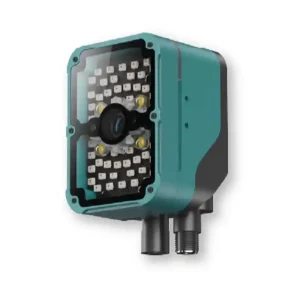
Linear (1D) Laser Scanners
Used in environments where barcode quality is consistent and scanning speed is the primary requirement. Common in retail checkout operations.
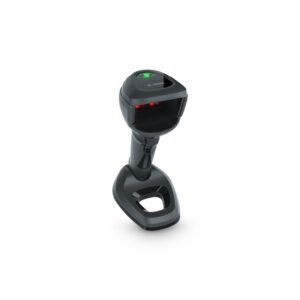
2D Imager Scanners
Designed for flexibility across barcode types and conditions. Capable of reading both printed and screen-based codes, making them suitable for traceability, compliance, and digital workflows.
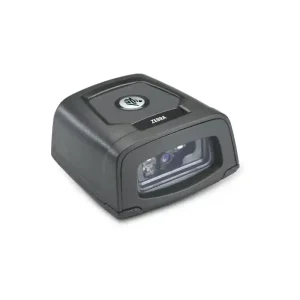
CCD Scanners
Suitable for short-range applications with controlled conditions. Typically used in desks and counters with moderate scanning requirements.
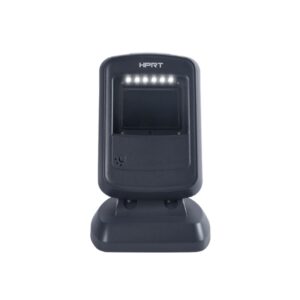
Omnidirectional Scanners
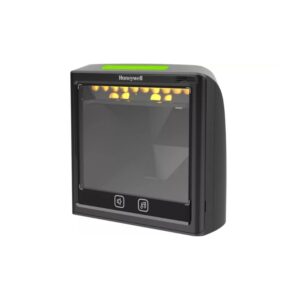
Enable multi-angle scanning without alignment, improving speed in high-volume environments such as supermarkets and service counters.
Industrial Corded Scanners
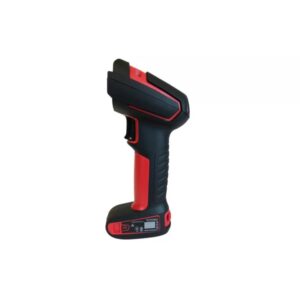
Engineered for demanding conditions where barcode quality is inconsistent or surfaces are challenging. Used in manufacturing, logistics, and warehouse environments with high scan volumes.
Operational Impact of Correct Scanner Selection
In many facilities, inefficiencies in scanning are not immediately visible but manifest as the following:
- Queue build-up at counters
- Delays in packing and dispatch
These issues are often attributed to process inefficiencies, when in reality they originate from mismatches between the scanner capability and application requirements.
Selecting the right scanner improves:
- Data accuracy across systems
DDAPL Approach to Barcode Scanning Solutions
DDAPL does not approach barcode scanners as standalone hardware. Each requirement is evaluated based on how scanning interacts with the overall process.
This includes:
- Label condition and variability
- Scan distance and ergonomics
- Integration with POS, ERP, or WMS systems
- Expected scan volume and usage pattern
Based on this, the scanner is selected to ensure consistent performance within the actual operating environment.
Enabling Reliable Data Capture at Process Level
In high-dependency environments, scanning accuracy is directly linked to operational visibility and system reliability.
Corded barcode scanners continue to play a critical role in ensuring that data capture remains:
By eliminating variability at the device level, they support more stable and predictable process execution.
Improve Process Efficiency by Eliminating Scan-Level Inconsistencies
If scanning is a critical part of your operation, the performance of the device directly impacts throughput and accuracy.
DDAPL helps identify and deploy corded barcode scanners aligned to your specific application, ensuring reliable performance across environments.
Get Quote | | Speak to Expert


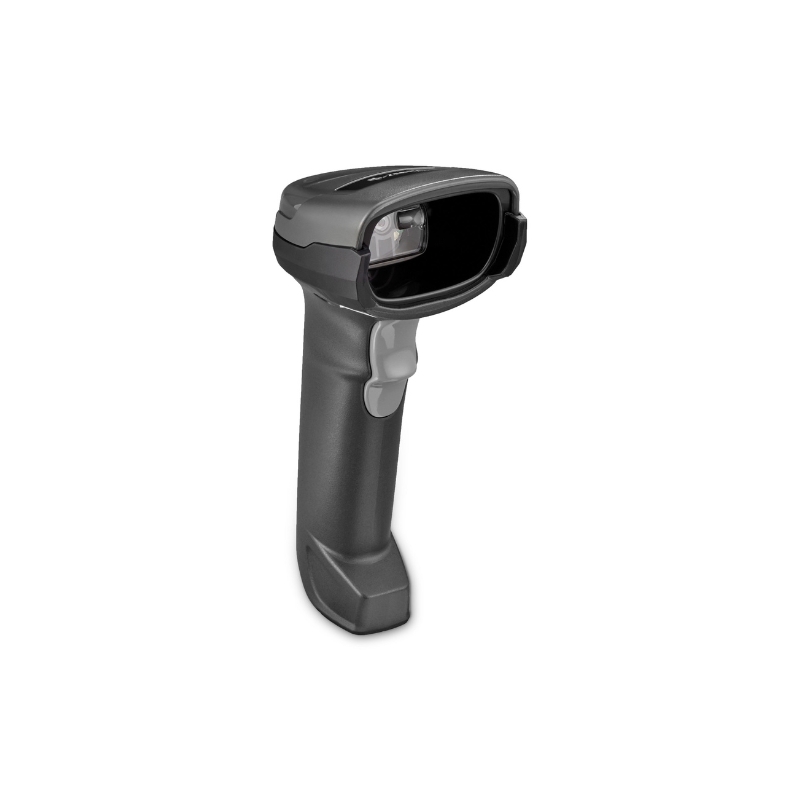
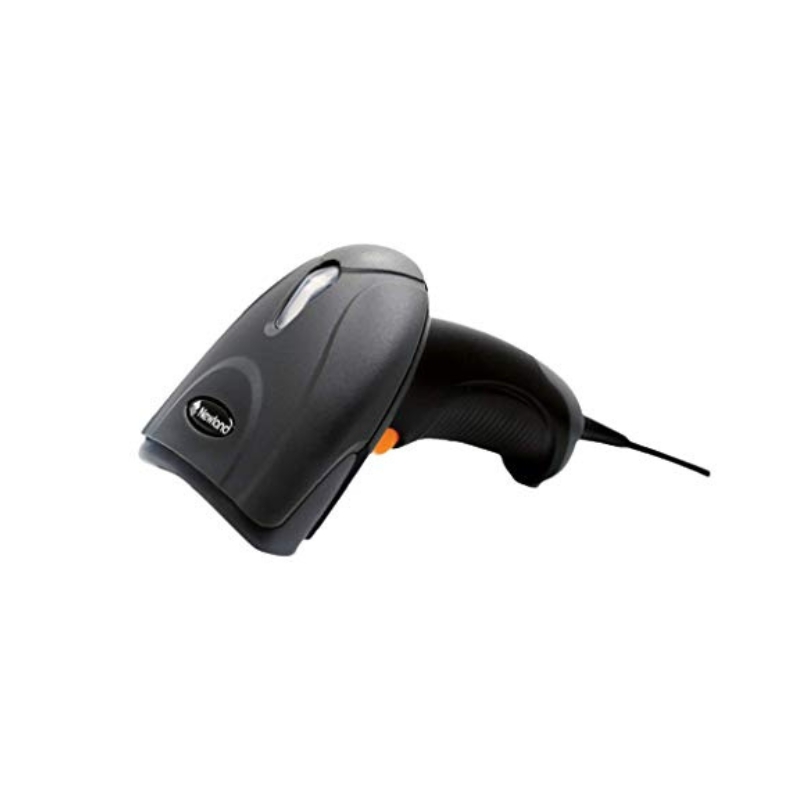
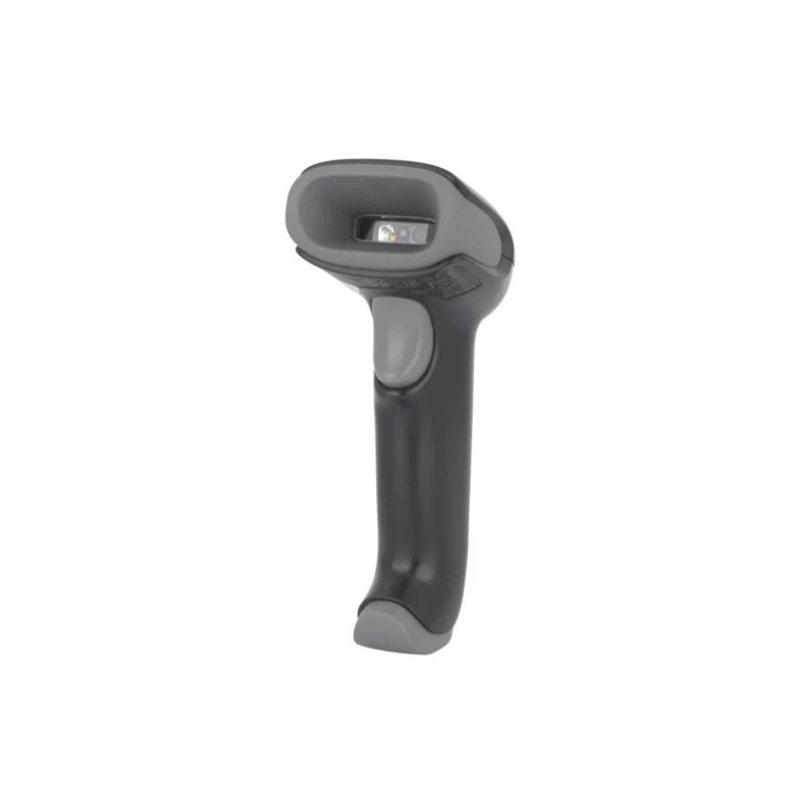
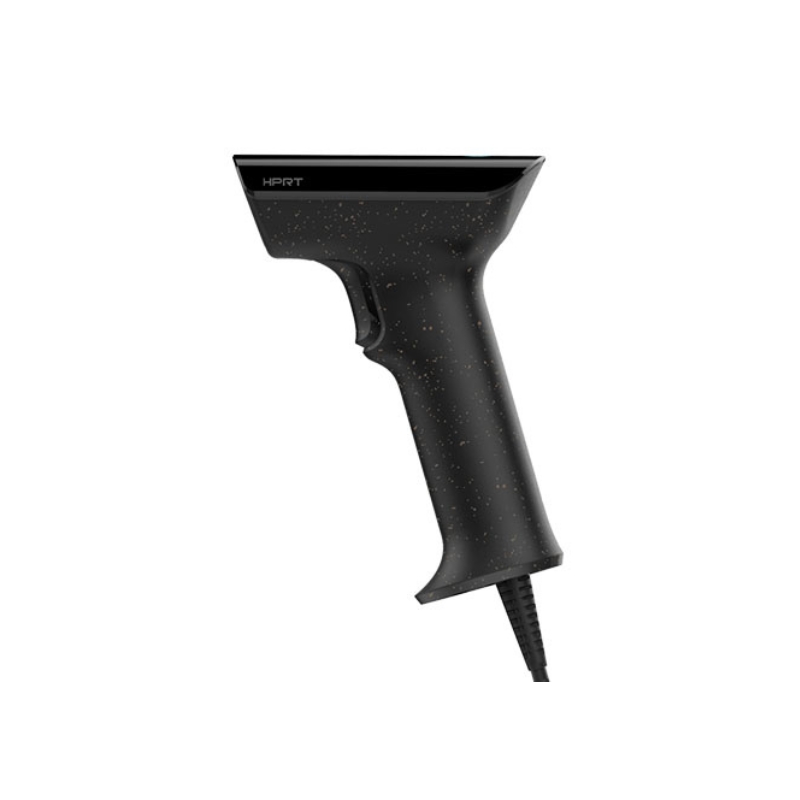
 Symbology Support
 Interface
 Scan Range