Introduction
Automation is no longer a one-time implementation.
Organizations today operate in environments defined by scale, speed, and continuous change. As operations expand across facilities, geographies, and channels, the expectation from automation has evolved.
It is no longer sufficient for systems to improve efficiency.
They must support adaptability.
A future-ready automation system is one that continues to deliver value as business requirements evolve — without requiring constant reinvention.
This shift is driving organizations toward integrated industrial automation solutions that go beyond task execution to enable operational resilience.
Moving Beyond Project-Based Automation
Traditionally, automation was implemented as a project.
However, as business environments become more dynamic, isolated automation efforts often struggle to keep pace.
Future-ready systems are designed not as point solutions but as scalable frameworks.
They form part of integrated automation frameworks that support expansion, integration, and process evolution over time.
The Importance of Network Readiness
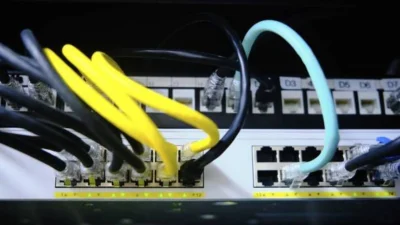
Automation depends on seamless communication between systems and devices.
Strong enterprise networking solutions ensure that:
• Operational data flows in real time
• Systems remain synchronized
• Decision-making is based on current information
Network readiness is therefore a foundational requirement for future-ready automation.
Capturing Data at Source
Future-ready automation relies on accurate and timely data.
Capturing operational events at the point of execution ensures workflows remain aligned with actual operations and reduces dependency on manual intervention.
Integration Across Operational Layers
Future-ready automation is defined by its ability to integrate across systems.
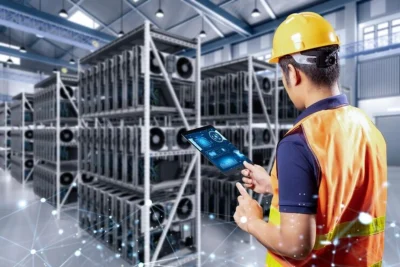
Integration supported by industrial IoT solutions allows operational events to be captured, transmitted, and processed seamlessly.
In warehouse automation solutions, this translates into:
• Real-time inventory visibility
• Improved movement validation
• Reduced reconciliation effort
Supporting Scalability
Business growth introduces operational complexity.
Smart warehouse solutions built on modular architectures allow organizations to:
• Add capabilities without rebuilding infrastructure
• Expand operations without disrupting workflows
Enabling Real-Time Decision-Making
Automation systems must support not only execution but also decision-making.
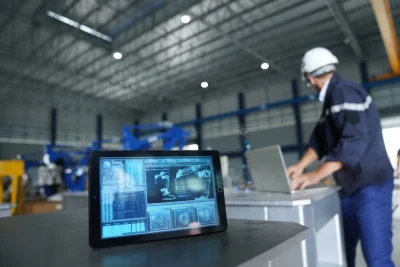
Through integrated industrial automation solutions, organizations gain access to real-time operational insight to optimize workflows and improve coordination.
Reducing Fragmentation
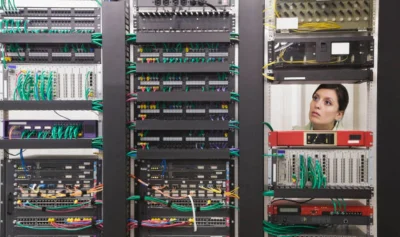
Future-ready automation minimizes fragmentation by ensuring devices, networks, and software platforms operate cohesively.
Preparing for Evolving Requirements
Future-ready automation ensures that systems remain adaptable to changing workflows and expanding operational priorities through integration of industrial IoT solutions and enterprise networking.
Moving Forward
Future-ready automation is defined by how effectively systems adapt tomorrow.
Organizations investing in integrated industrial automation solutions that support connectivity, scalability, and real-time insight are building the foundation for sustained operational performance.
Automation is no longer just about efficiency.
It is about readiness.