Core Technical Parameters That Define Industrial Scanner Performance
Decode Engine Capability Under Degraded Conditions
In industrial environments, barcodes are often:
- Scratched or partially missing
- Printed with low contrast
- Distorted due to surface curvature
Advanced scan engines use:
- Image reconstruction algorithms
- Error correction techniques
to maintain high first-pass read rates even when barcode quality is compromised.
Motion Tolerance and Real-World Scanning Behavior
Scanning often occurs while:
- Items are moving on conveyors
- Barcode alignment is inconsistent
Motion tolerance depends on:
- Decode algorithm robustness
Low motion tolerance leads to:
Optical System and Depth of Field
Industrial scanners must support varying scan distances:
- Close-range (workstations)
- Mid-range (handling zones)
- Long-range (rack-level scanning)
Depth of field determines:
- Usability across these distances
Mismatch results in slower operations and operator dependency.
Environmental Resistance and Stability
Industrial scanners are exposed to:
- Dust ingress (IP-rated protection)
Beyond survival, the device must maintain:
Environmental instability directly impacts scan performance, not just device lifespan.
Trigger Mechanism and Scan Consistency
Industrial scanners use:
- Continuous scanning configurations
Trigger performance affects:
Poor trigger response introduces delays in high-frequency workflows.
Communication Stability (Wired vs Wireless)
Wireless scanners introduce variables such as:
Wired scanners provide:
- Stable, low-latency communication
Selection depends on:
Types of Rugged Industrial Barcode Scanners
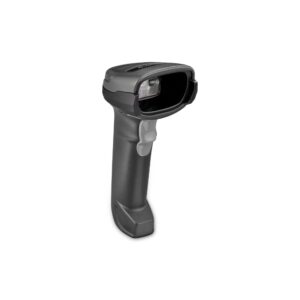
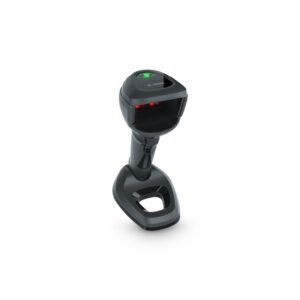
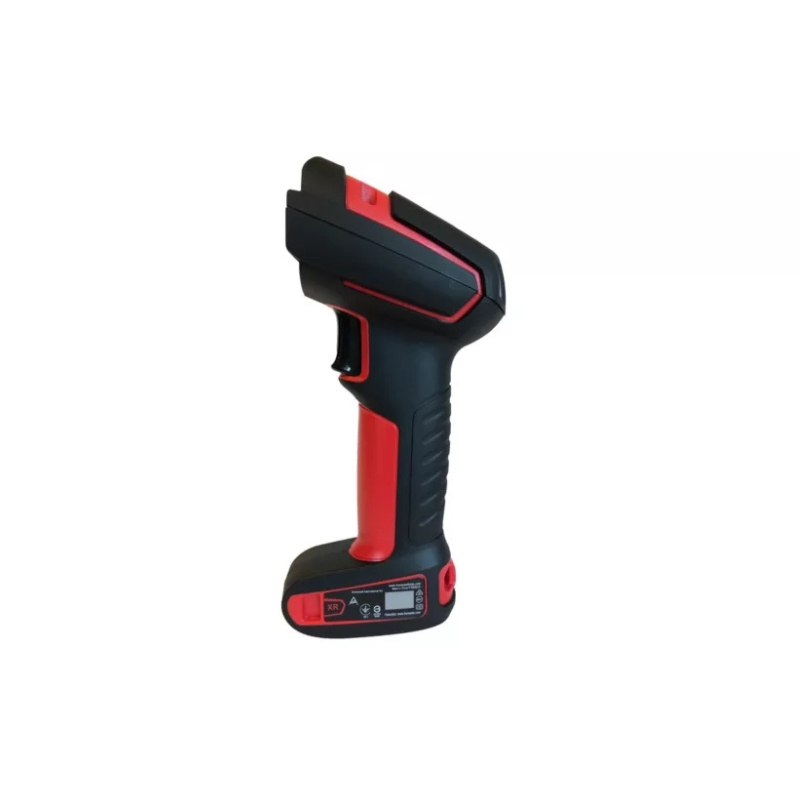
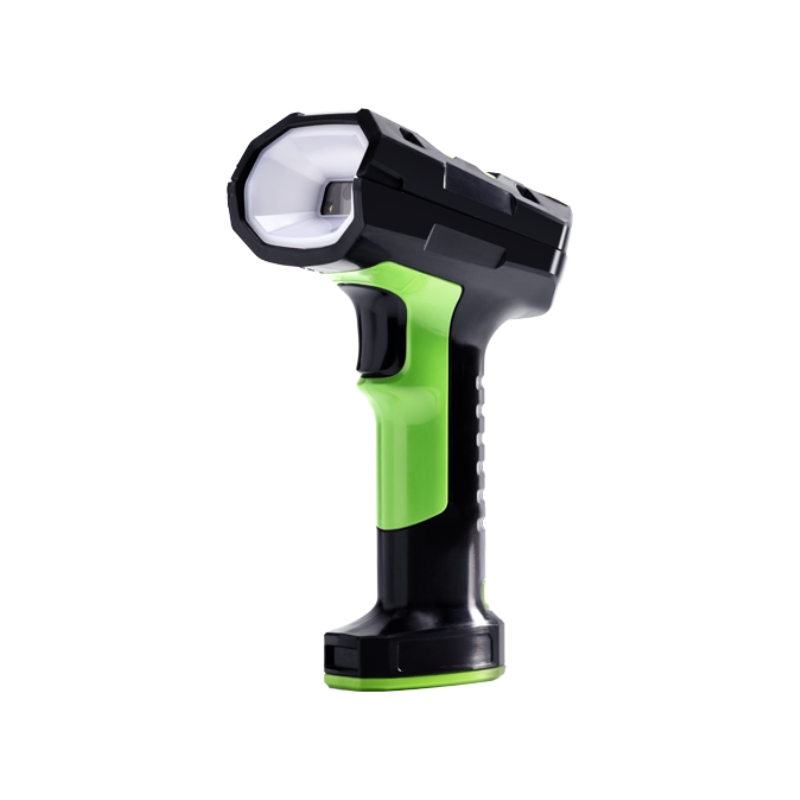
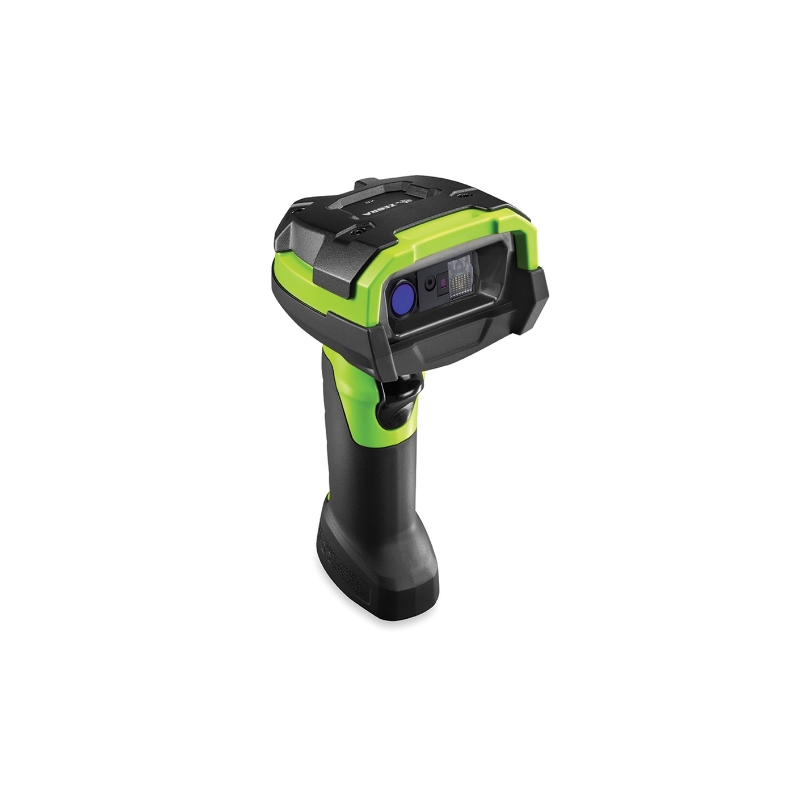
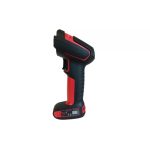
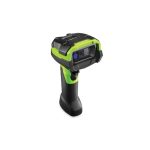
Industrial Handheld Scanners
Designed for flexibility and high-frequency manual scanning in warehouse and manufacturing environments.
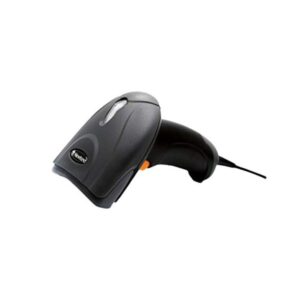
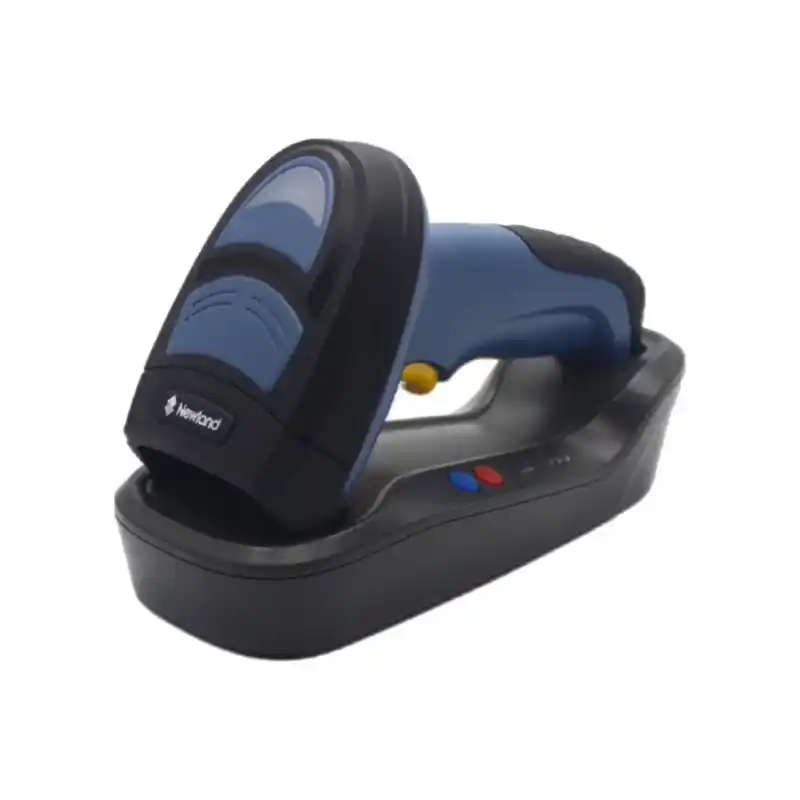
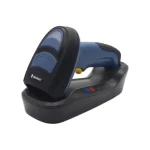
Bluetooth / Wireless Rugged Scanners
Provide mobility with onboard memory buffering for temporary disconnection scenarios.
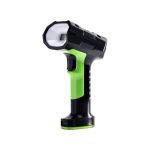
Long-Range Barcode Scanners
Enable scanning from extended distances, reducing travel time in large warehouse environments.
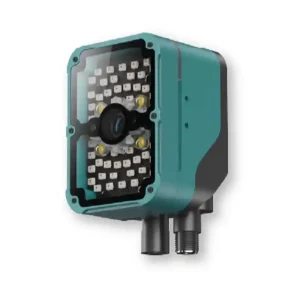
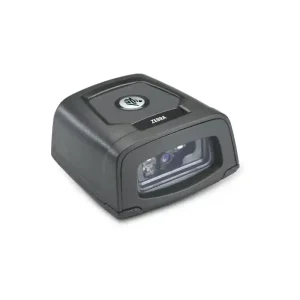
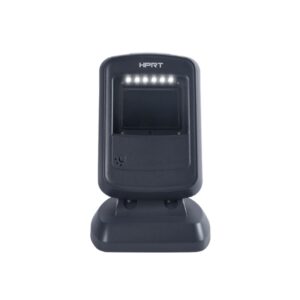
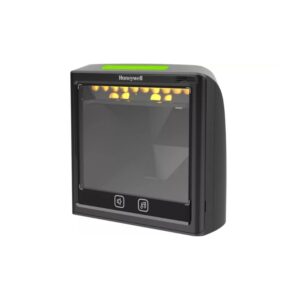
Fixed-Mount Industrial Scanners
Used in automated setups such as conveyors and production lines.
Wearable Barcode Scanners
Enable hands-free operations in picking and sorting workflows.
Operational Impact of Industrial Barcode Scanners
Improved First-Pass Read Rates
Reduces scan retries and increases throughput.
Reduced Device Failure and Downtime
Ensures continuity in operations with minimal interruptions.
Consistent Performance Across Shifts
Maintains stable scan behavior regardless of usage intensity.
Faster Workflow Execution
Reduces delays caused by scan failures or device lag.
Reduced Operator Fatigue
Ergonomic design supports prolonged usage.
Industries Using Rugged Barcode Scanners
Warehousing and Distribution
High-volume scanning under variable conditions.
Manufacturing and Production
Tracking components and WIP under harsh environments.
Automotive and Heavy Industry
Handling rugged surfaces and industrial conditions.
Logistics and Supply Chain
Scanning under time-sensitive and high-throughput operations.
Pharmaceuticals and Healthcare
Ensuring accuracy and traceability.
Cold Storage and Outdoor Operations
Operating under temperature and environmental constraints.
Retail and Bulk Stores
Handling high-volume scanning with durability requirements.
DDAPL Approach to Industrial Scanning Solutions
Industrial scanning is not a device-level decision — it is a process reliability requirement.
DDAPL evaluates:
- Barcode quality and variability
- Scan frequency and throughput
- Required scan range and ergonomics
- Integration with WMS/ERP systems
The goal is to ensure consistent scan performance aligned with operational demands.
Enabling Reliable Data Capture in Harsh Environments
In industrial workflows, scanning failure directly impacts:
Rugged industrial barcode scanners ensure:
- Stable decode performance
- Reliable operation under stress
Ready to Upgrade to Industrial-Grade Scanners?
DDAPL provides:
- Application-based scanner selection
Request a Quote | Book a Demo


 Battery
 Operating time
 Drop Rating
 USB
USB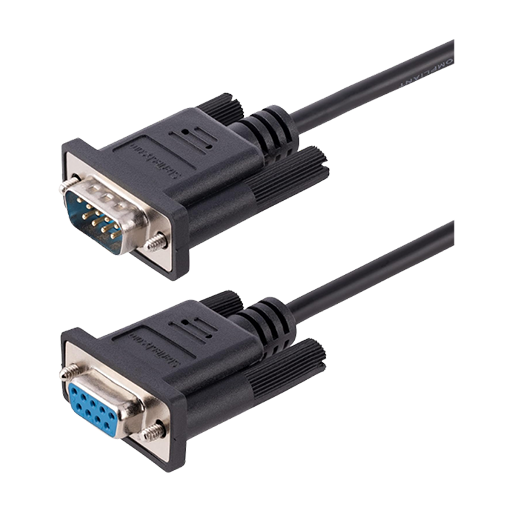 RS232 Serial
 Bluetooth
 WiFi
WiFi Ethernet
 Serial / Legacy Fieldbus